France Travel Guide
About France
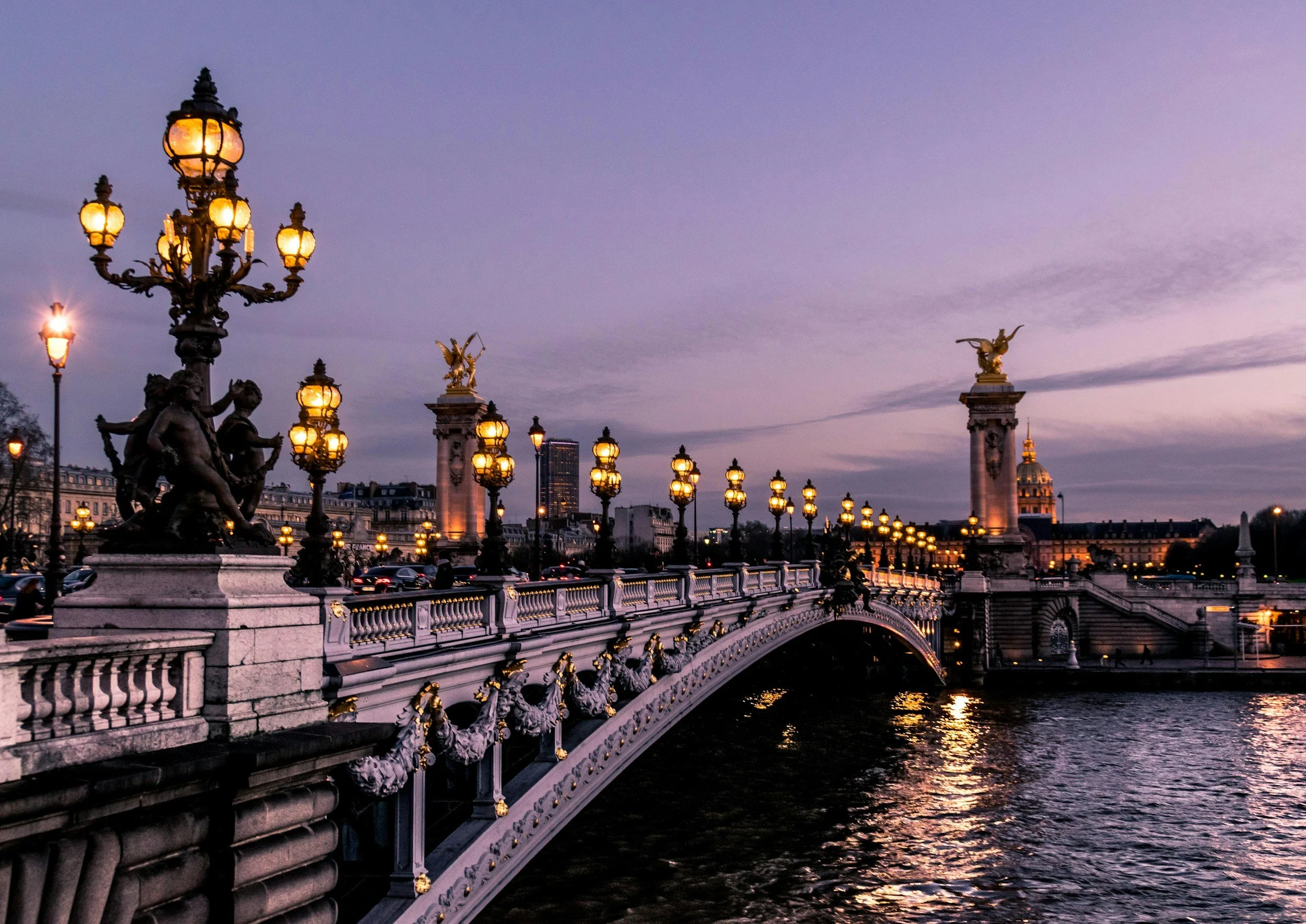
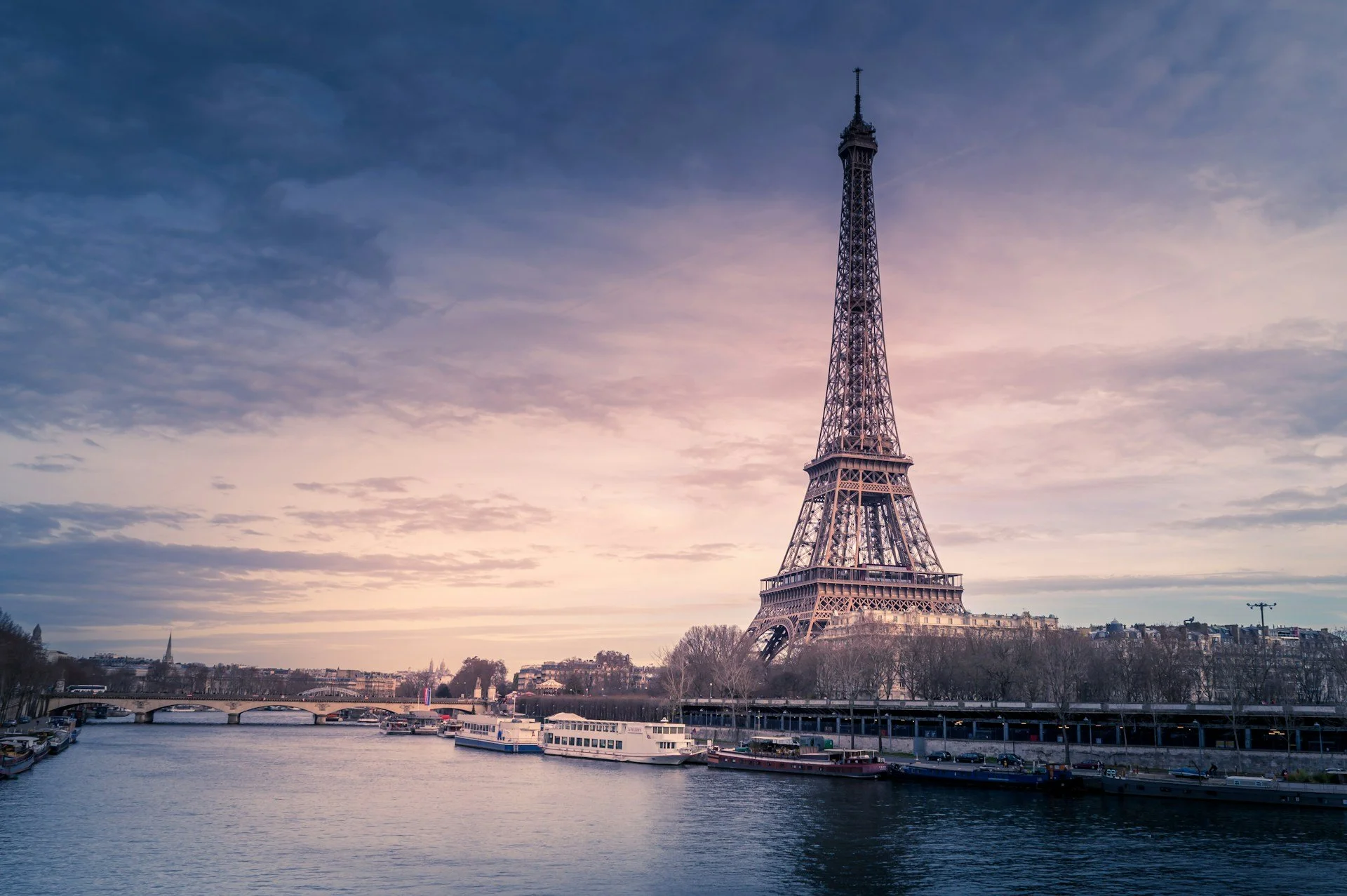
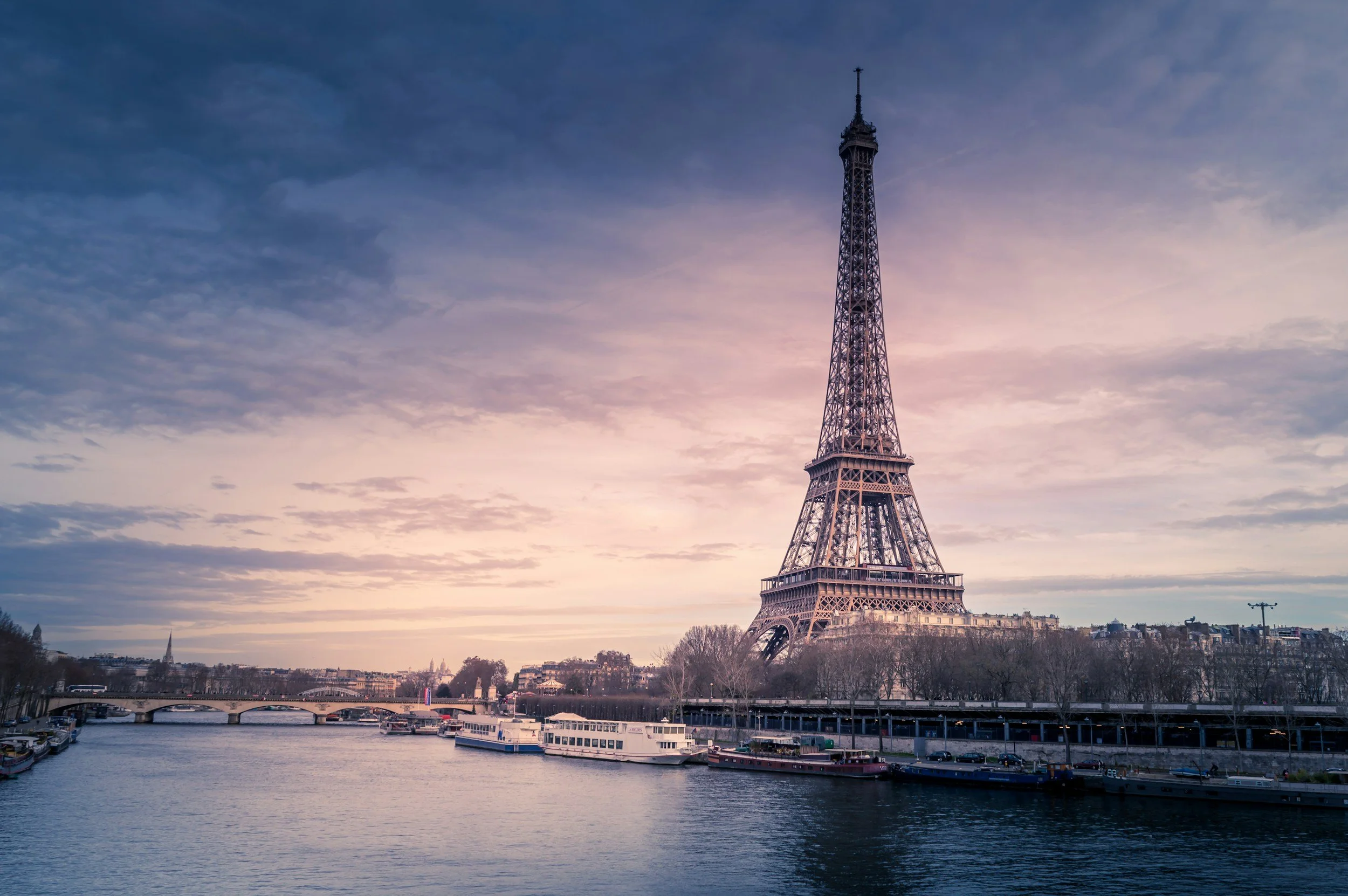
When most people think of France, they picture the Eiffel Tower sparkling over Paris, charming cafés on cobbled streets, fine wine, and fresh baguettes. And while France certainly offers all this iconic romance, there’s so much more waiting to be explored!
For art lovers, it’s a cultural paradise—from the world-famous Louvre and Musée d’Orsay to cutting-edge galleries in Marseille and Lyon. For foodies, France is a culinary haven, where every region serves up its own specialties—whether it’s buttery croissants in Paris, rich cheeses in Normandy, or seafood bouillabaisse on the Mediterranean coast. For outdoor lovers, there’s skiing in the French Alps, surfing in Biarritz, and vineyard tours in Bordeaux and Burgundy.
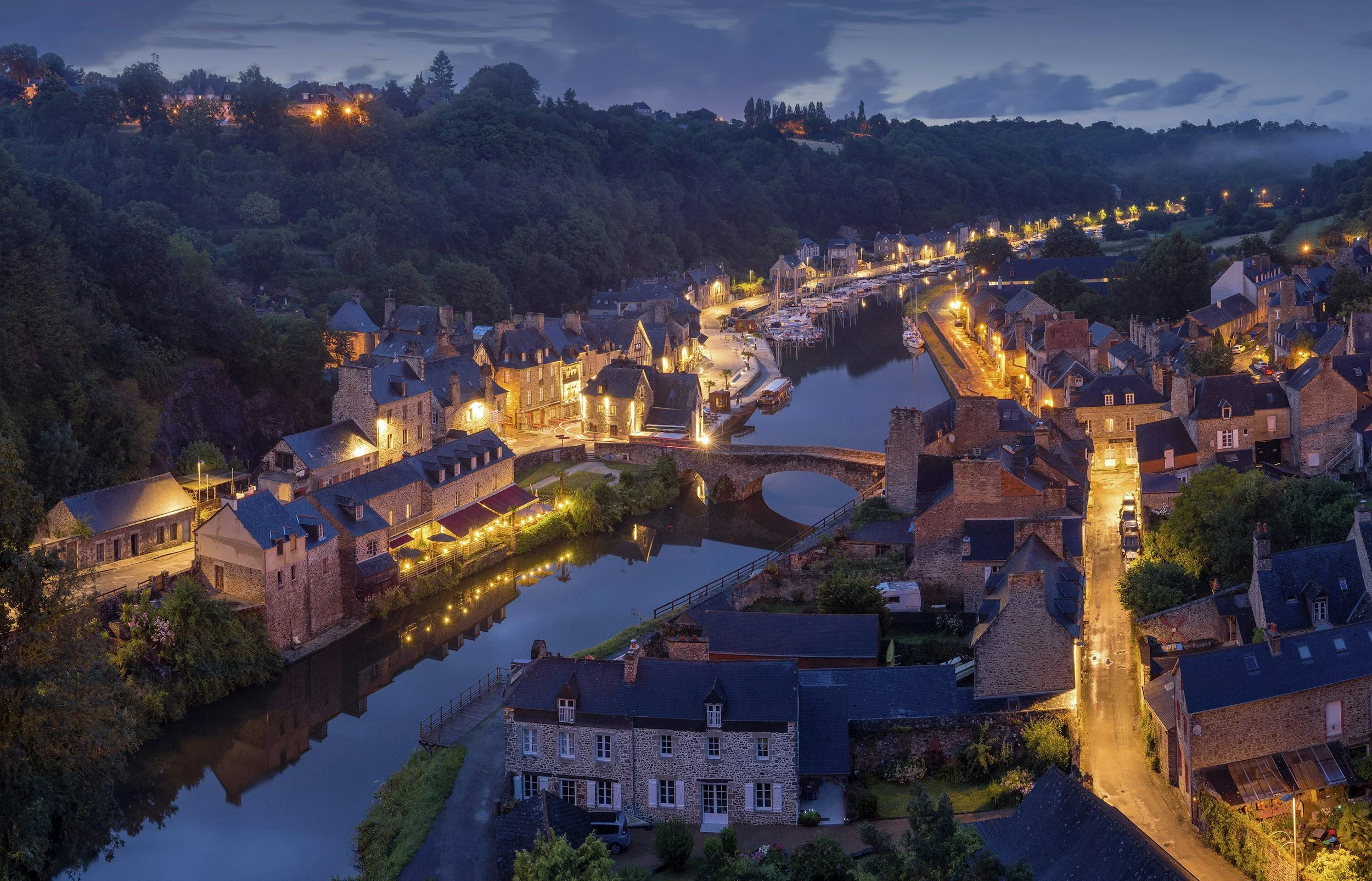
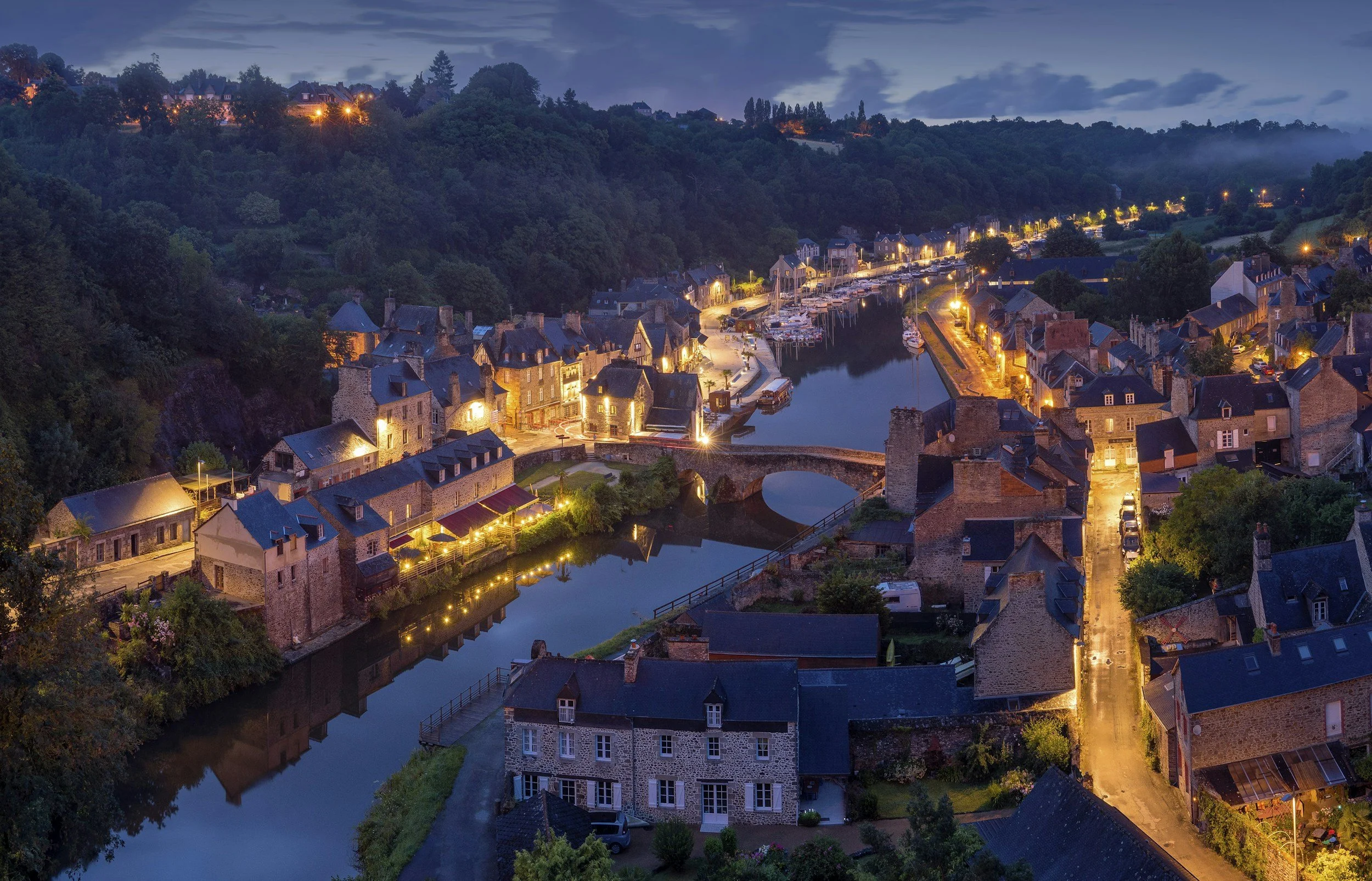
From historic villages and sun-soaked lavender fields to world-class cities and coastal retreats, France doesn’t just charm you—it stays with you, long after the journey ends.

What to Expect
Language in France
French is the official language spoken across France. In major cities and tourist areas, many people—especially in hotels, restaurants, and attractions—speak at least basic English. However, learning a few simple French phrases (like bonjour, merci, and s’il vous plaît) goes a long way in creating a friendly experience. Most signage in airports, train stations, and tourist centers also includes English translations.
Currency
France uses the Euro (EUR, €) as its official currency. Banknotes come in denominations of €5, €10, €20, €50, €100, and more, while coins include 1, 2, 5, 10, 20, and 50 cents, along with €1 and €2 coins. While cards are widely accepted, carrying some cash is advisable for small purchases, markets, or rural spots.
Credit Cards & ATMs
Credit and debit cards—especially Visa and MasterCard—are widely accepted throughout France, including in shops, restaurants, taxis, and museums. Some small businesses may have a card minimum or prefer cash, especially in the countryside. ATMs (often labeled distributeurs de billets) are common and easy to use. Be sure to notify your bank before traveling to avoid any international transaction issues.
Safety
France is generally a safe country for travelers, especially in well-visited places like Paris, Nice, Lyon, and Bordeaux. However, be mindful of pickpockets in busy areas like train stations, metro lines, and tourist hotspots. Use common sense precautions: keep bags zipped, avoid isolated areas at night, and use licensed transportation. In case of emergency, dial 112, the Europe-wide emergency number.
Travel Guide

Bucket List Experiences
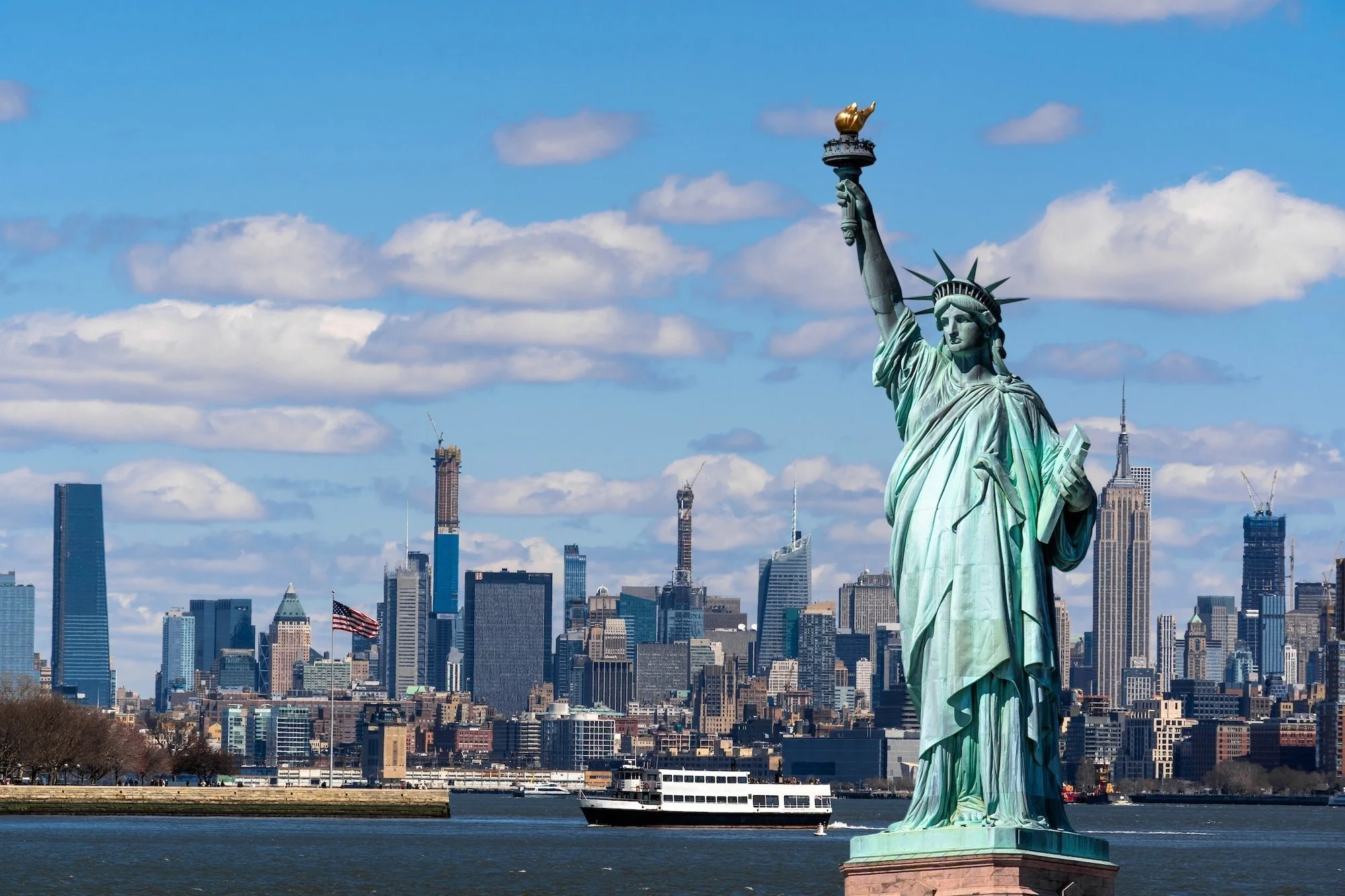
Let’s Explore New York

Let’s Explore Italy
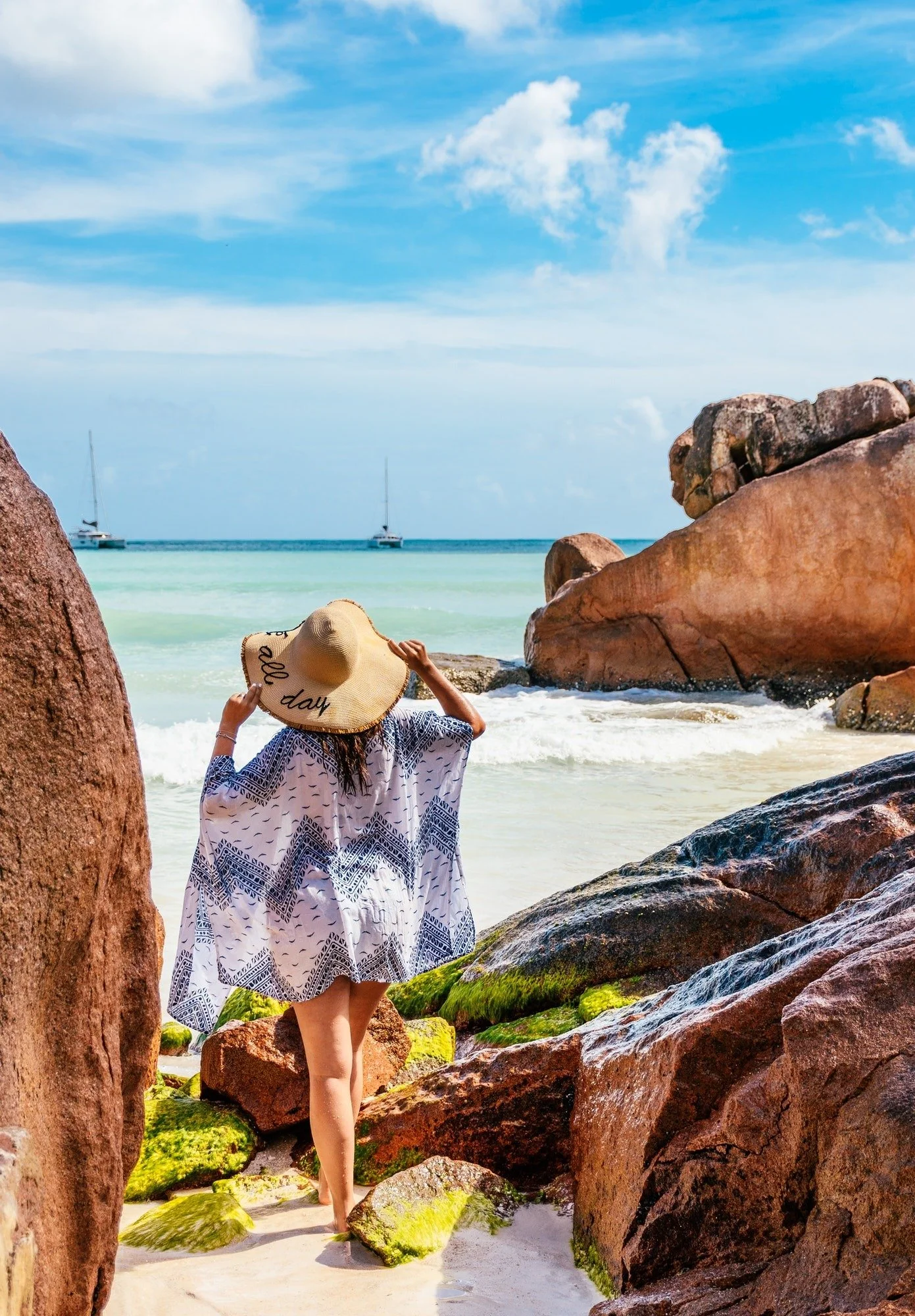
Let’s Explore France

Let’s Explore Portugal
Instagram @ Follow Me