
Portugal Travel Guide
About Portugal
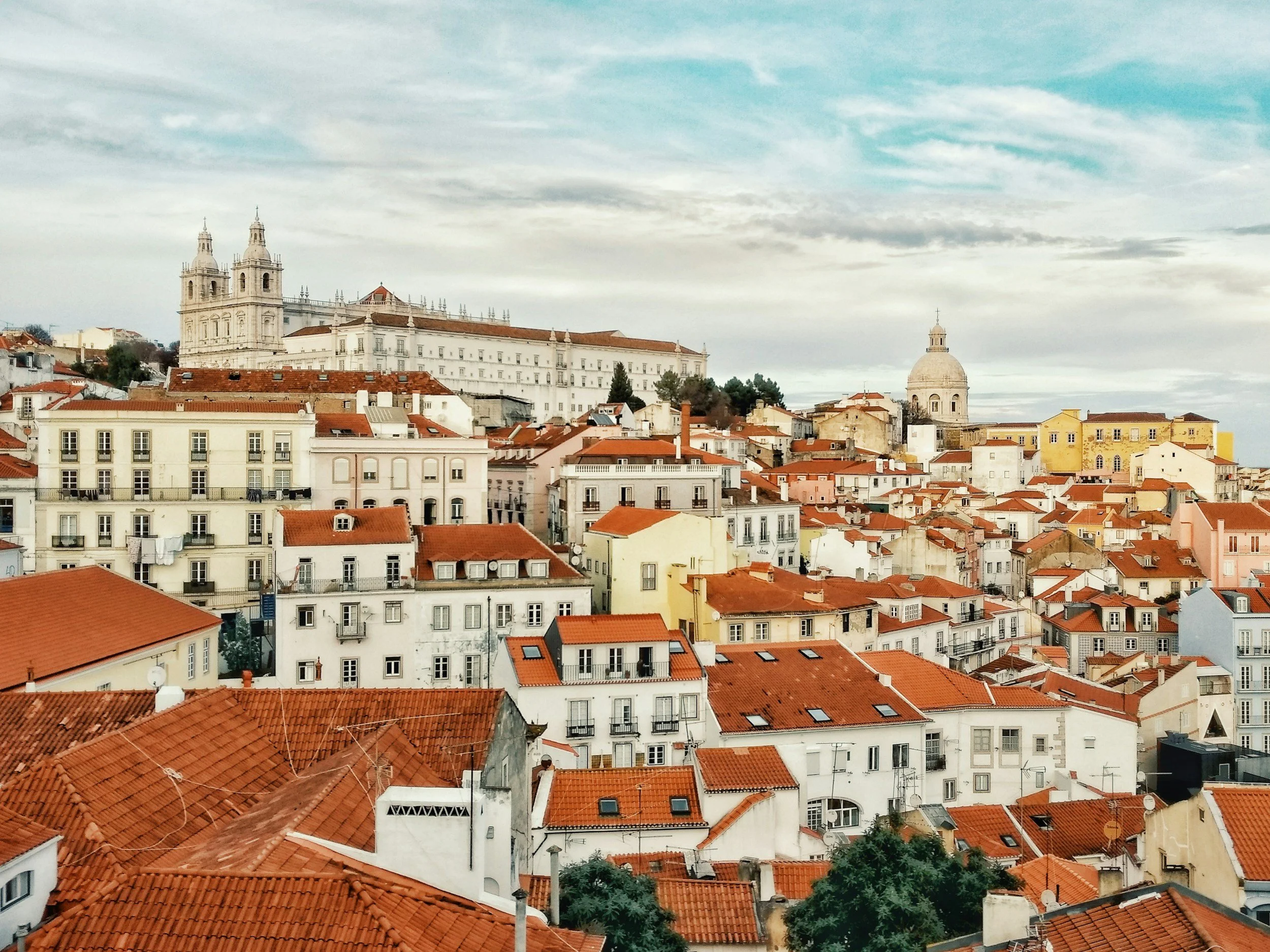
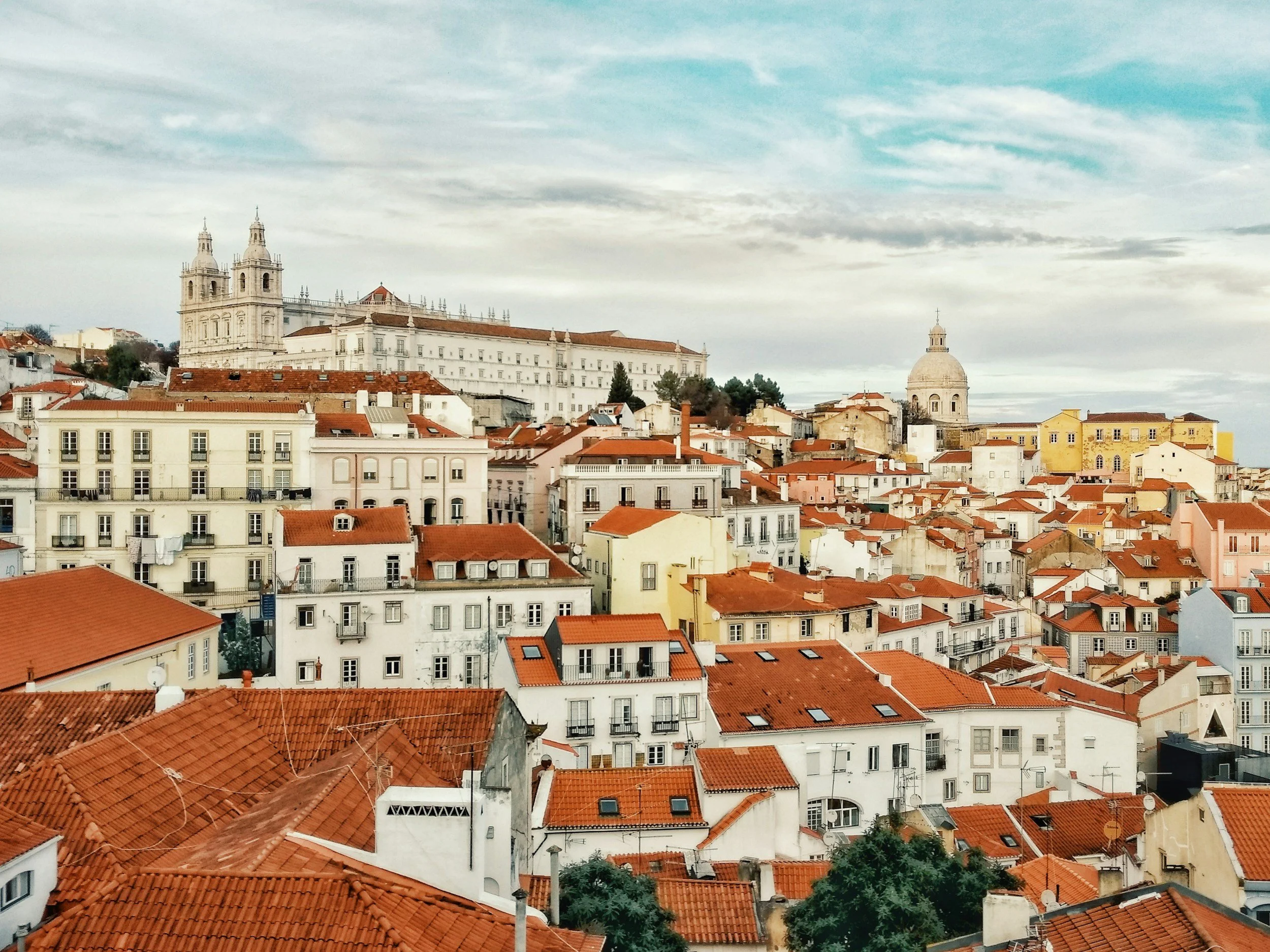
When most people think of Portugal, they imagine golden beaches along the Algarve, pastel-colored buildings in Lisbon, soulful Fado music, and warm custard tarts fresh from the oven. And while Portugal offers all this postcard-worthy beauty, there’s so much more to discover!
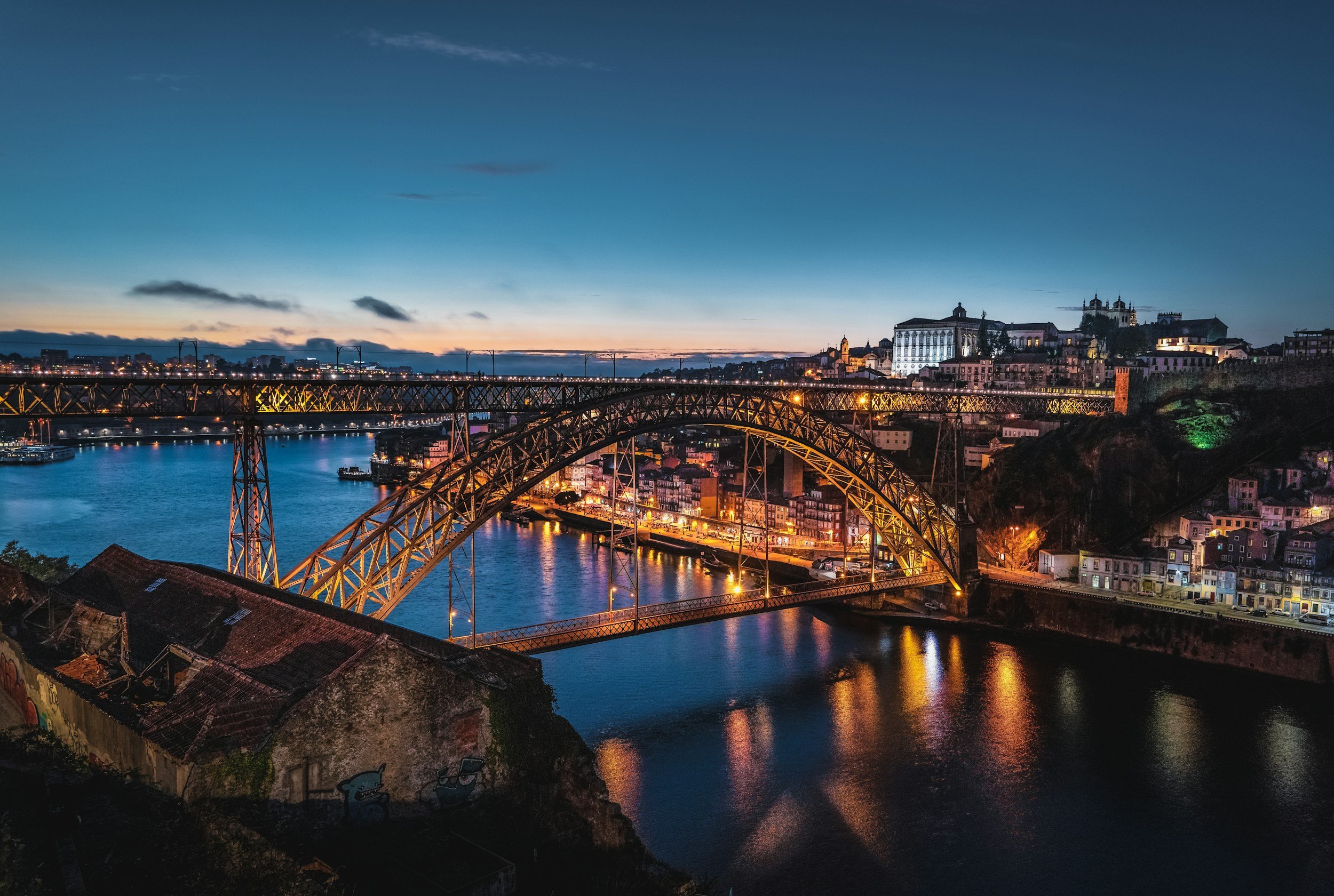
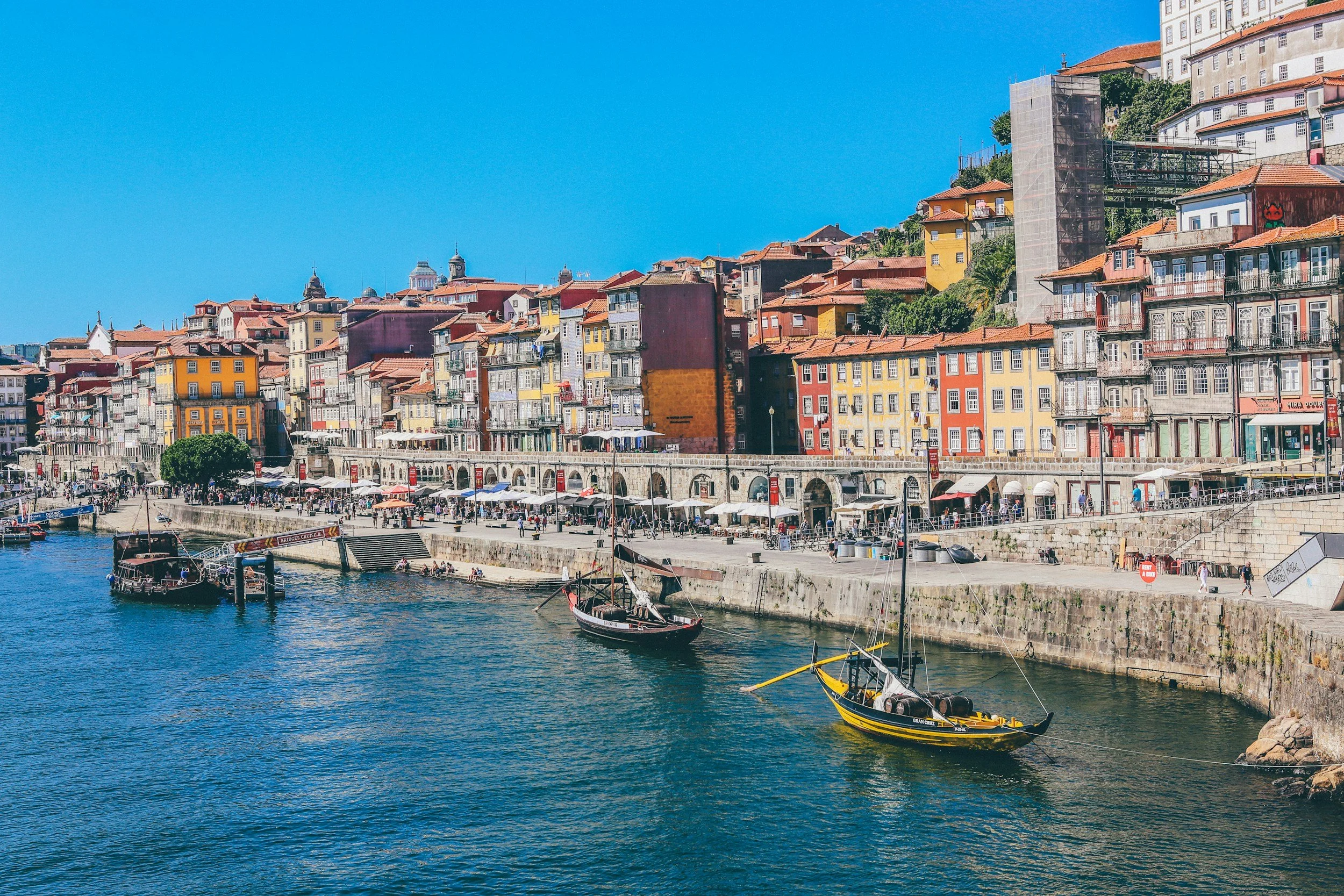
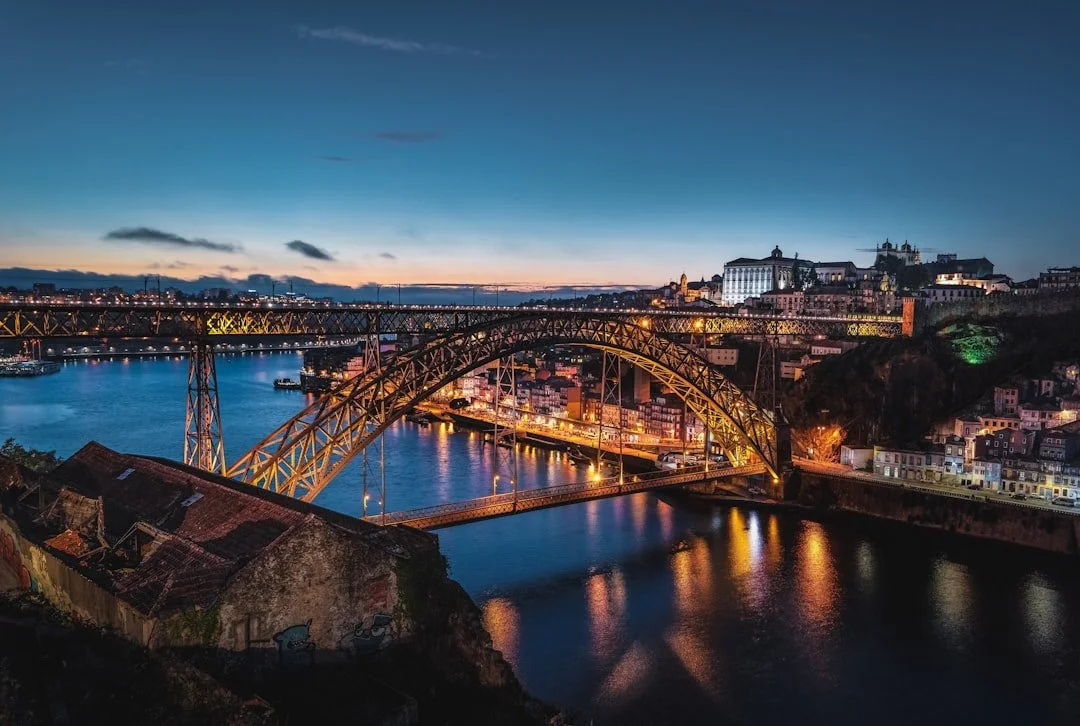
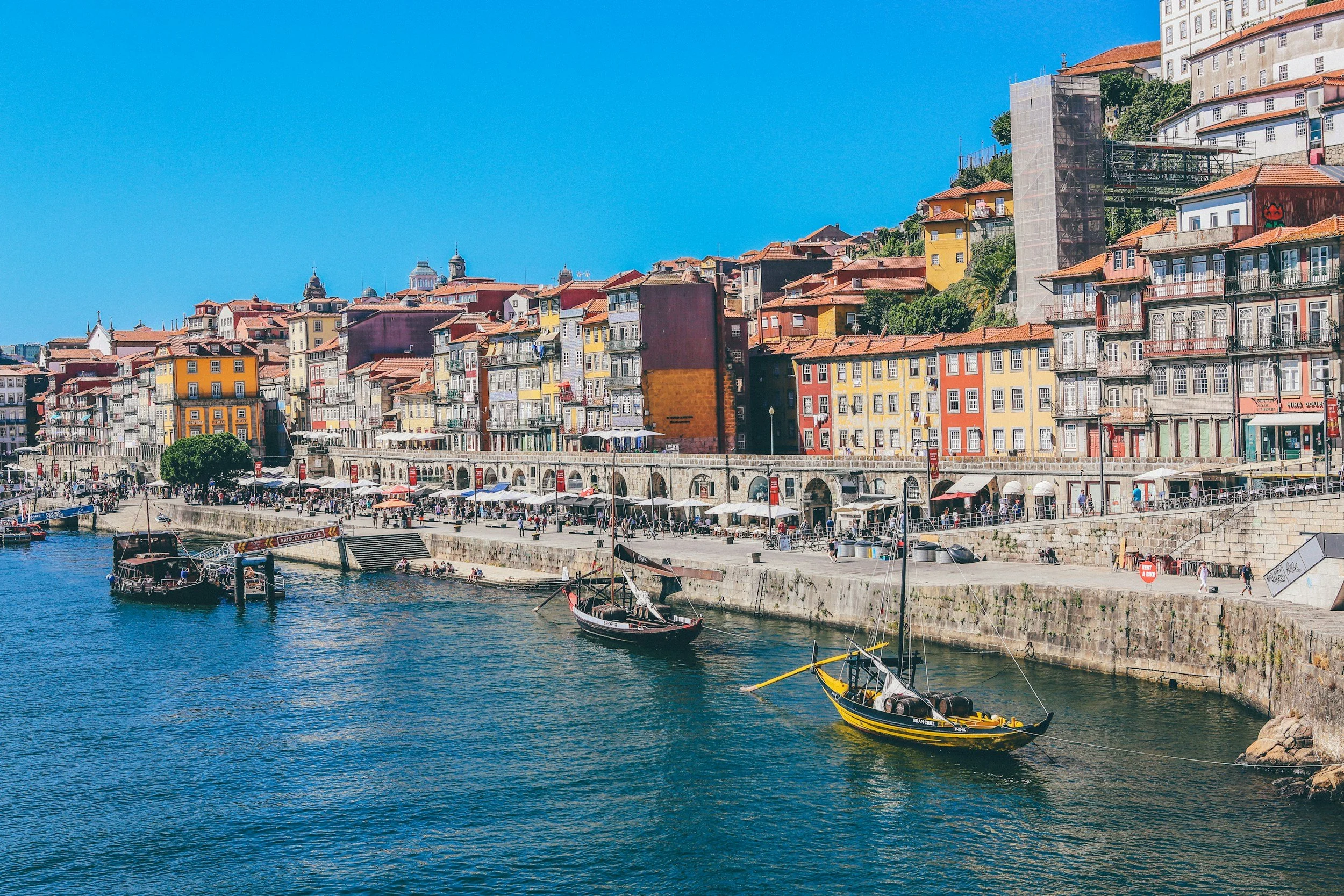
For art and history lovers, it’s a treasure trove—from the ancient castles of Sintra to the blue-tiled facades of Porto and the maritime museums celebrating Portugal’s Age of Discovery. For foodies, it’s a delight of flavors—grilled sardines, hearty stews, port wine, and pastéis de nata that melt in your mouth. For outdoor lovers, there’s surfing on the Atlantic coast, hiking in the lush hills of Madeira, and exploring dramatic cliffs in the Azores.
From cobblestone villages and sunlit vineyards to vibrant cities and hidden coastal gems, Portugal doesn’t just welcome you—it leaves a lasting imprint on your heart.

What to Expect
Language in Portugal
Portuguese is the official language spoken throughout Portugal. In major cities and tourist areas, many people—especially in the hospitality industry—speak English quite well. That said, learning a few basic Portuguese words like olá (hello), obrigado/obrigada (thank you), and por favor (please) is always appreciated and can enhance your experience. Signage in airports, transportation hubs, and major attractions often includes English translations.
Currency
Portugal uses the Euro (EUR, €) as its official currency. Banknotes come in denominations of €5, €10, €20, €50, €100, and more, while coins include 1, 2, 5, 10, 20, and 50 cents, as well as €1 and €2 coins. Although cards are commonly accepted, it’s a good idea to carry some cash for small purchases, local markets, or rural areas.
Credit Cards & ATMs
Credit and debit cards—especially Visa and MasterCard—are widely accepted in Portugal, including in restaurants, shops, hotels, and public transportation. However, some small vendors or cafés may have a card minimum or prefer cash. ATMs (called Multibanco) are widely available and reliable. Make sure to inform your bank of your travel plans to avoid card issues abroad.
Safety
Portugal is considered one of the safest countries in Europe for travelers. Cities like Lisbon, Porto, and Faro are generally very safe, even at night. Still, be cautious in crowded places like markets, trams, and tourist areas where pickpocketing can occur. Keep personal items secure, use trusted transportation options, and dial 112 in case of any emergency.
Travel Guide
Bucket List Experiences

Let’s Explore New York

Let’s Explore Italy
Let’s Explore France

Let’s Explore Portugal
Instagram @ Follow Me